Login-to-View-Prices in Magento: Best Practices for B2B Stores
by Rahul Basu
February 25,2026
In B2B eCommerce, pricing is rarely universal. Unlike B2C shops where every visitor sees the same price, B2B transactions depend on contracts, volume tiers, negotiated discounts, and customer-specific conditions. This is where the login-to-view-prices model becomes a strategic tool rather than just a technical feature.
For wholesalers, manufacturers, and distributors operating with Magento, restricting prices to logged-in users is not simply about hiding numbers — it’s about protecting margins, structuring customer segmentation, and creating a controlled digital sales environment.
In this article, we explain why login-secured pricing matters, how to implement it correctly in Magento, and which best practices ensure both performance and user experience. We also outline how working with an experienced magento agency such as Ingold Solutions ensures scalable and future-proof implementation.
Why Login-to-View-Prices Is Essential in B2B
B2B pricing models are inherently complex. Common scenarios include:- Customer-specific negotiated prices
- Tier pricing based on quantity
- Regional price variations
- Contract-based pricing agreements
- Distributor-specific discount structures
- Margin transparency for competitors
- Confusion among customer groups
- Conflict with offline pricing strategies
- Reduced negotiation flexibility
- Controlled access to commercial data
- Accurate customer segmentation
- Improved data tracking and analytics
- Higher-quality lead generation
Magento Capabilities for Login-Secured Pricing
Magento Open Source and Adobe Commerce both allow structured implementation of restricted price visibility, though B2B features differ depending on the edition. Typical technical configurations include:- Forcing login to view prices
- Restricting checkout to approved accounts
- Customer group-based price display
- Company account-based pricing rules
- Private catalogues per customer segment
Best Practice 1: Combine Login Requirement with Account Approval
Simply forcing login is not enough. Professional B2B shops implement a two-step validation process:- Customer registration
- Admin approval before activation
- Only verified companies gain access
- Fraud prevention
- Proper assignment to pricing groups
- Compliance with internal sales policies
Best Practice 2: Segment Pricing by Customer Group
Login-to-view-prices works best when combined with intelligent segmentation. Magento allows:- Customer group pricing
- Tier pricing
- Catalogue price rules
- Custom modules for contract pricing
- Retailers see wholesale pricing
- Premium partners receive additional discounts
- Regional distributors see territory-based pricing
- Strategic accounts access negotiated contract terms
Best Practice 3: Use Private Catalogues Strategically
Many B2B businesses offer different assortments depending on customer category. Magento allows implementation of:- Private catalogues
- Category restrictions per customer group
- SKU-level visibility rules
- Exclusive product lines
- Territory protection
- Brand control
- Controlled product launches
Best Practice 4: Maintain SEO Strategy While Hiding Prices
One common concern is SEO impact. If prices are hidden, how does this affect search visibility? Important considerations:- Google does not require visible prices for indexing
- Product pages must remain crawlable
- Structured data should be carefully configured
- Avoid blocking essential content behind login
- Clean HTML structure
- No SEO penalties
- Proper schema handling
- Optimal page speed despite conditional rendering
Best Practice 5: Optimize UX Despite Restricted Access
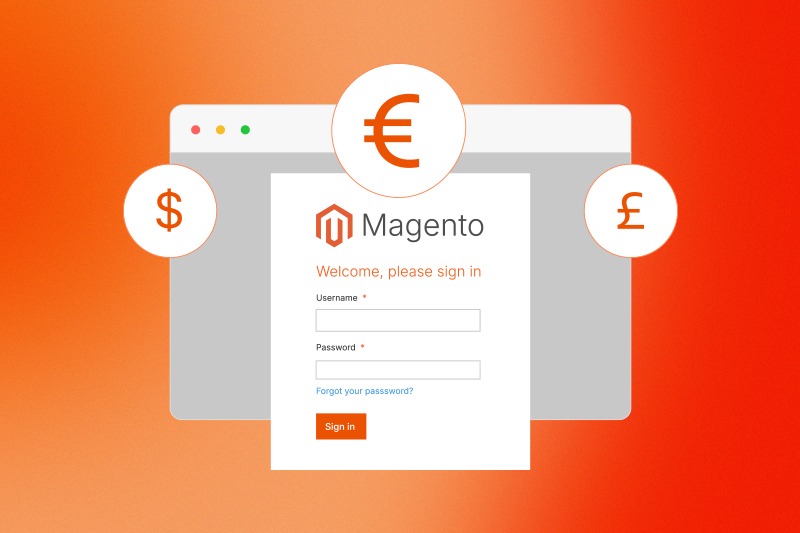
B2B buyers expect efficiency. Login restrictions must not create friction. Recommended UX practices include:- Clear “Login to View Prices” call-to-action
- Fast registration forms
- Transparent approval timeline
- Quick login via email + password or SSO
- Saved SKU lists for repeat orders
Best Practice 6: Integrate ERP for Real-Time Pricing
In serious B2B environments, pricing lives in the ERP system. Magento should:- Pull customer-specific prices via API
- Sync contract conditions
- Reflect credit limits
- Display live stock availability
Best Practice 7: Protect Performance
Conditional price rendering can impact performance if poorly implemented. Common technical mistakes include:- Heavy database queries per session
- Inefficient rule processing
- Overloaded customer group logic
- Unoptimized custom modules
- Optimized indexing
- Clean caching strategies
- Efficient rule evaluation
- Scalable infrastructure
Why Work with a Specialized Magento Agency?
Login-to-view-prices may seem like a simple toggle feature, but at enterprise level it touches:- Pricing architecture
- Catalog governance
- ERP integration
- SEO structure
- Legal compliance
- UX design
- Infrastructure performance
- Custom B2B feature development
- Magento Open Source B2B extensions
- ERP integrations
- Hybrid B2B + B2C platforms
- Performance optimization
- Long-term maintenance and scaling
Magento Open Source vs Adobe Commerce for Login-Based Pricing
Many businesses assume they must purchase Adobe Commerce to implement advanced B2B features. In reality, Magento Open Source can be extended with custom development to provide:- Account approval workflows
- Login-based price visibility
- Customer-specific pricing
- Private catalogs
- Payment restrictions
- Quote functionality
Common Mistakes to Avoid
When implementing login-secured pricing, avoid:- Overcomplicating pricing rules
- Ignoring UX clarity
- Blocking SEO-critical content
- Skipping ERP integration
- Neglecting scalability
- Underestimating performance impact
Future Outlook: B2B eCommerce Is Becoming Portal-Based
Modern B2B shops are evolving into:- Self-service portals
- Procurement platforms
- Account management systems
- Digital sales channels
- Quick order by SKU
- Repeat order lists
- Quote requests
- Company credit management
- Role-based permissions
- Advanced reporting
Final Thoughts
Login-to-view-prices in Magento is not just about hiding prices — it is about creating a structured, secure, and scalable B2B environment. When implemented correctly, it:- Protects margins
- Enhances segmentation
- Improves data tracking
- Strengthens customer relationships
- Enables ERP-driven automation